

Is Waterproofing Covered by Insurance in Australia? (2026 Guide)
Water leaks from bathrooms, balconies, and roofs are among the most common building issues in Australia. When a leak occurs, homeowners often ask the same question:
Is waterproofing covered by insurance in Australia?
The answer is not always straightforward. In many cases, insurance policies may cover the damage caused by water leaks, but not the waterproofing failure itself.
In this guide, we explain how waterproofing insurance works in Australia, when balcony leaks are covered, and why many waterproofing claims are denied.
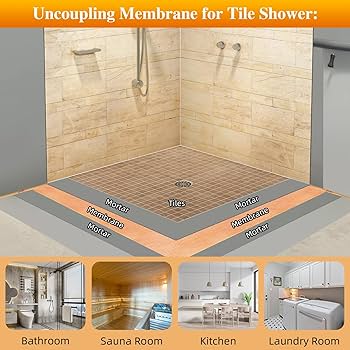

Understanding Waterproofing Insurance in Australia
Most Australian home insurance policies cover sudden and accidental damage, including water damage to parts of the building.
However, insurers usually exclude damage caused by poor workmanship, wear and tear, or building defects.
This means:
Damage from a sudden pipe burst may be covered
Damage caused by failed waterproofing membranes often is not
This distinction is important when dealing with bathroom or balcony waterproofing issues.
When Insurance May Cover Water Leak Damage
In some situations, insurers may cover the resulting damage caused by water, such as:
Ceiling damage from a leaking balcony
Water damage to floors or walls
Damage to neighbouring apartments in strata buildings
Structural damage caused by sudden leaks
However, even when damage is covered, insurers often refuse to pay for the waterproofing repairs themselves.
For example:
A leaking shower may damage the ceiling below.
Insurance might pay to repair the ceiling — but not the waterproofing membrane that caused the leak.
Are Balcony Leaks Covered by Insurance?
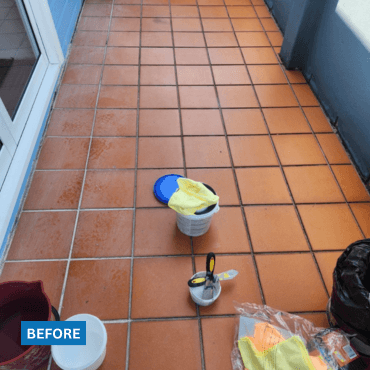
Balcony leaks are one of the most common waterproofing problems in Australian apartments.
Whether insurance covers a balcony leak depends on the cause.
Insurance may cover balcony leak damage if:
The leak was caused by sudden damage
Storm damage affected the structure
Drainage was blocked unexpectedly
However, balcony leaks are often caused by:
Waterproofing membrane failure
Poor installation
Building defects
Age-related deterioration
In these cases, insurers frequently reject claims.
Why Waterproofing Claims Get Denied?
Many homeowners are surprised when their waterproofing insurance claim is denied.
Common reasons include:
1. Wear and Tear
If waterproofing membranes fail due to age or deterioration, insurers often classify this as maintenance, not an insurable event.
2. Poor Workmanship
If waterproofing was installed incorrectly, insurers may reject claims because defects are usually excluded.
3. Lack of Compliance
If waterproofing does not meet Australian Standards such as AS3740 or AS4654, insurers may refuse coverage.
4. Gradual Damage
Insurance policies typically exclude damage caused by long-term water penetration.
This is why many waterproofing issues only become insurance claims after visible damage occurs.
Insurance and Strata Waterproofing in Apartments
For apartment buildings in NSW, responsibility for waterproofing can also depend on strata rules.
In many cases:
The waterproofing membrane may be considered common property
The strata corporation may be responsible for repairs
Insurance may cover structural damage but not the membrane itself
If water leaks affect multiple apartments, insurers may require an inspection report to determine the source of the leak.
What Insurers Usually Require for a Waterproofing Claim?
When submitting a claim related to waterproofing damage, insurers often request:
Photos of the damage
Evidence of the leak source
Inspection reports
Proof of building compliance
Details of waterproofing installation
A professional waterproofing inspection can help determine whether the damage qualifies for insurance coverage.
How to Reduce the Risk of Insurance Claim Rejection?
To reduce the chance of a denied claim:
Ensure waterproofing work complies with Australian Standards
Keep records of waterproofing installation and inspections
Fix leaks early before major damage occurs
Use licensed waterproofing professionals
Conduct inspections before tiling or renovations
Documentation can make a major difference if an insurance claim is required later.
When to Get a Waterproofing Inspection
A waterproofing inspection is recommended if:
Water stains appear on ceilings or walls
Balcony leaks occur during rain
Bathroom tiles show moisture damage
Insurance requires proof of cause
Strata disputes responsibility
Early inspection can help identify the source of the leak before structural damage worsens.
Final Thoughts: Is Waterproofing Covered by Insurance?
In most cases, insurance covers the damage caused by water leaks but not the waterproofing failure itself.
Because waterproofing membranes are considered part of the building structure, insurers often classify failures as maintenance or construction defects.
Understanding how waterproofing insurance works in Australia can help homeowners and strata managers respond quickly when leaks occur.
If you’re experiencing water leaks from a balcony or bathroom, professional inspection can help determine whether the issue is structural, waterproofing-related, or insurance-related.
FAQs
Is waterproofing covered by home insurance in Australia?
In most cases, home insurance covers water damage caused by leaks but does not cover the repair of failed waterproofing membranes.
Are balcony leaks covered by insurance?
Balcony leak damage may be covered if caused by sudden events such as storms, but waterproofing failures due to age or poor installation are often excluded.
Why do waterproofing claims get rejected?
Claims are often denied due to wear and tear, poor workmanship, gradual damage, or non-compliance with building standards.
Can strata insurance cover waterproofing issues?
Strata insurance may cover structural damage in apartment buildings, but waterproofing membrane repairs are often excluded unless the damage was sudden and accidental.
📞 Call us at 0410 570 721
📧 Email: info@hillswaterproofing.com.au
