

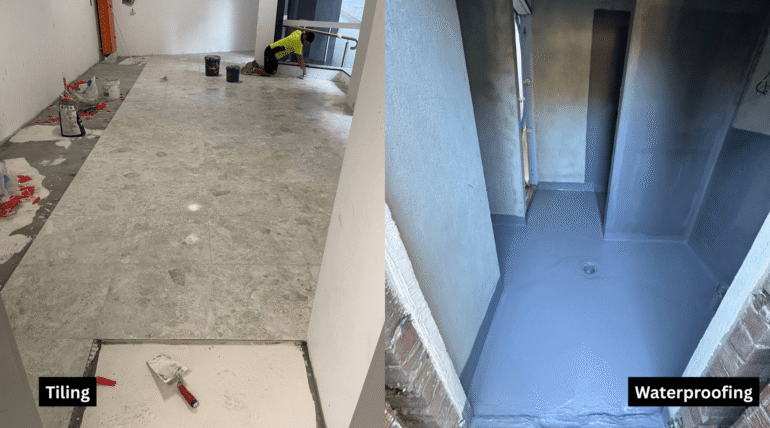
🏠 Waterproofing vs Tiling: What Actually Stops Leaks in Sydney Homes?
Why So Many Sydney Bathrooms Still Leak?
Many Sydney homeowners believe that tiles are what stop water leaks.
The truth? Tiles are decorative, not protective.
Every year, thousands of bathroom and balcony renovations in Sydney fail — not because of poor tiles, but because proper waterproofing was skipped, rushed, or done incorrectly.
If you’re planning a bathroom renovation, fixing leaks, or comparing renovation quotes, understanding the difference between waterproofing vs tiling could save you tens of thousands of dollars.
Let’s break it down clearly — no jargon, no confusion.

What Is Waterproofing? (And Why It’s the Real Protection)
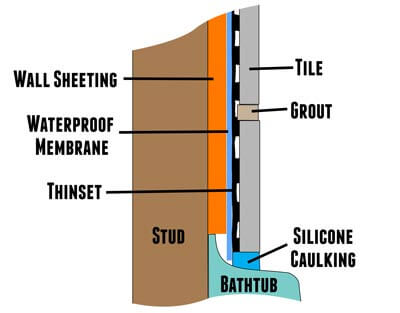
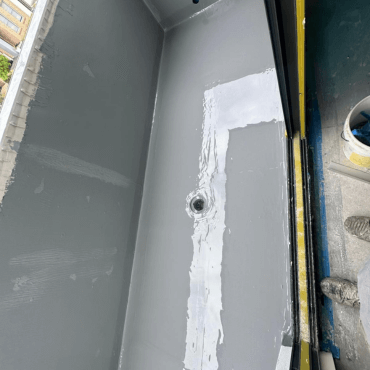
Waterproofing is the invisible barrier that actually stops water from penetrating walls, floors, and structural elements.
In Sydney homes, waterproofing typically involves:
Liquid or sheet membranes
Sealing junctions, corners, drains, and penetrations
Applying multiple layers to wet areas
Allowing correct curing time
Where Waterproofing Is Applied
Under bathroom floors and walls
Behind shower walls
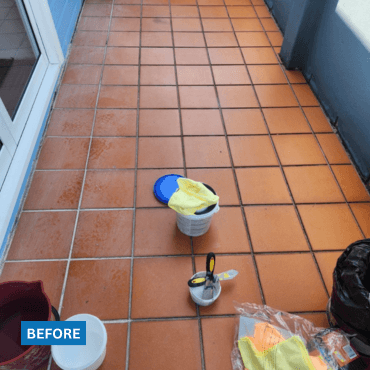
Under balconies and terraces
Around floor wastes and plumbing points
🔴 Important: Without waterproofing, water passes straight through tiles and grout.
What Is Tiling? (And What It Actually Does)
Tiles serve three main purposes:
Visual finish
Wear protection
Easy cleaning
They do not:
Stop water penetration
Seal subfloors
Protect wall framing
Grout is porous. Even sealed grout absorbs moisture over time — especially in showers and wet areas.
➡️ Tiles hide water problems; they don’t prevent them.
Waterproofing vs Tiling: Side-by-Side Comparison
| Feature | Waterproofing | Tiling |
|---|---|---|
| Stops water leaks | ✅ Yes | ❌ No |
| Required by NSW law | ✅ Yes | ❌ No |
| Prevents structural damage | ✅ Yes | ❌ No |
| Cosmetic finish | ❌ No | ✅ Yes |
| Protects timber & concrete | ✅ Yes | ❌ No |
Why Sydney Homes Leak Even After Renovation
This is one of the most common issues we see across Sydney suburbs.
Common Renovation Mistakes
Waterproofing skipped to reduce costs
Waterproofing applied after tiling
Incomplete membrane coverage
No waterproofing certificate issued
Non-licensed installer
💡 Fact: Most leaks appear 6–24 months after renovation, once moisture slowly damages the structure.
NSW Waterproofing Regulations You Must Know
In NSW, waterproofing is not optional.
Key Legal Requirements
Must comply with AS 3740 (Wet Areas)
Must be installed by a licensed professional
Certificate of compliance required for bathrooms, balconies, laundries
Failure to comply can lead to:
Insurance refusal
Strata disputes
Failed property sales
Costly rectification work
Waterproofing + Tiling: The Correct Renovation Order
If done correctly, both waterproofing and tiling work together.
Correct Process:
Substrate preparation
Waterproofing membrane application
Curing & inspection
Tiling installation
Grouting & sealing
🚫 Reversing this order = guaranteed problems.
Bathroom Renovation Tip: Where Waterproofing Matters Most
In Sydney bathrooms, waterproofing must cover:
Shower floors & walls
Entire bathroom floor
Wall junctions
Around bath edges
Floor waste and drains
Skipping just one area can cause widespread damage behind tiles.
DIY vs Professional Waterproofing in Sydney
DIY Waterproofing Risks
No compliance certificate
Incorrect membrane thickness
Poor sealing at joints
No insurance coverage
Licensed Waterproofing Benefits
NSW-compliant installation
Waterproofing certificate
Long-term protection
Peace of mind
💬 If a renovator says “tiles are enough”, that’s a red flag.
How to Tell If Your Tiles Are Hiding a Leak
Watch for these warning signs:
Damp smell in bathroom
Loose or cracked tiles
Discoloured grout
Water stains on ceilings below
Mold growth in corners
These usually mean waterproofing failure, not tiling issues.
Cost Comparison: Fixing Tiles vs Fixing Waterproofing
| Scenario | Average Cost |
|---|---|
| Tile replacement only | $1,500–$3,000 |
| Waterproofing rectification | $4,000–$10,000 |
| Structural damage repair | $15,000+ |
👉 Doing waterproofing right the first time is always cheaper.
Final Verdict: What Actually Stops Leaks?
- ✔ Waterproofing stops water
- ✔ Tiling finishes the space
If you want a bathroom or balcony that lasts in Sydney’s climate, waterproofing is non-negotiable.
Tiles without waterproofing are like paint without walls.
FAQs – Waterproofing vs Tiling in Sydney
Is waterproofing mandatory in NSW?
Yes. Waterproofing is legally required in wet areas and balconies.
Can tiles alone stop water leaks?
No. Tiles and grout are porous.
Should waterproofing be redone during renovations?
Yes — especially in bathroom renovations.
How long does waterproofing last?
When done correctly, 10–15+ years.
Do you service areas outside Sydney?
Yes! We service the entire Sydney metropolitan area, including the Hills District, Inner West, Parramatta, Northern Beaches, and Eastern Suburbs.
Want Expert Waterproofing Advice in Sydney?
If you’re planning a renovation or dealing with leaks, professional waterproofing can protect your investment and your home.
📞 Speak with a licensed Sydney waterproofing specialist
📍 Servicing Hills District & surrounding suburbs
📞 Call us at 0410 570 721
📧 Email: info@hillswaterproofing.com.au
