

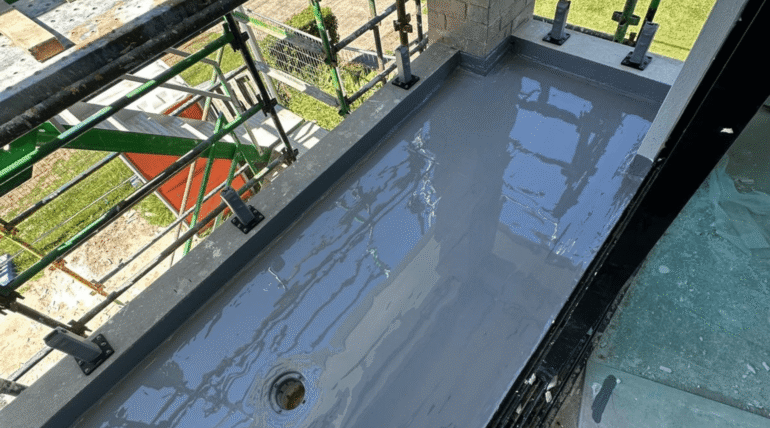
Balcony Drainage Regulations in NSW 2026 – What Every Homeowner & Strata Needs to Know?
Why Balcony Drainage Is a Critical Issue in 2026?
Balcony drainage isn’t just a design detail — it’s a legal and safety requirement under NSW building and waterproofing standards. Over the past few years, balcony leak claims have become one of the most common defects in strata and residential buildings across Sydney.
With the 2026 NCC (National Construction Code) updates and stricter enforcement by Fair Trading NSW, correct balcony drainage design and waterproofing are more crucial than ever for homeowners, strata managers, and builders alike.
Updated Balcony Drainage Regulations in NSW (2026 Overview)
The latest 2026 building standards continue to reference:
AS 4654.2 – Waterproofing membranes for external above-ground use
AS/NZS 3500 – Plumbing and drainage standards
NCC Volume 2 – Housing Provisions (Part F1.7 Waterproofing & Drainage)
These collectively outline how balcony falls, outlets, and membranes must be designed and installed to prevent ponding, leakage, and water ingress into living spaces.
Key 2026 Compliance Highlights:
✅ Minimum fall for balcony surfaces must be 1:100 (1%) away from the building.
✅ Balconies must have primary and secondary drainage outlets (overflow provisions).
✅ Waterproofing membranes must extend under drainage flanges and up turn-ups.
✅ Balconies with tiles must ensure drainage below the screed to avoid trapped moisture.
✅ All works must be completed by a licensed waterproofing contractor under NSW Fair Trading.
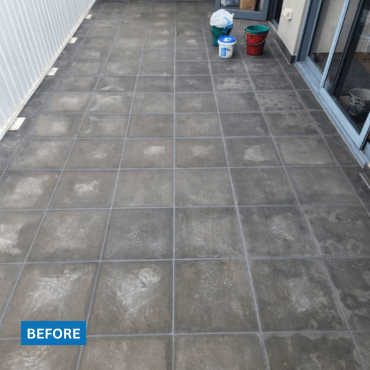
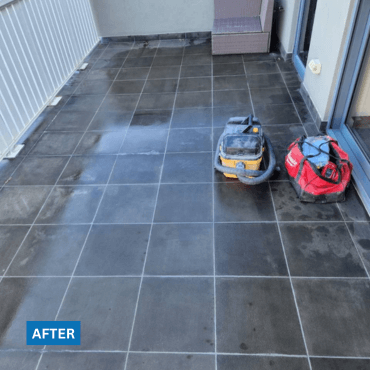
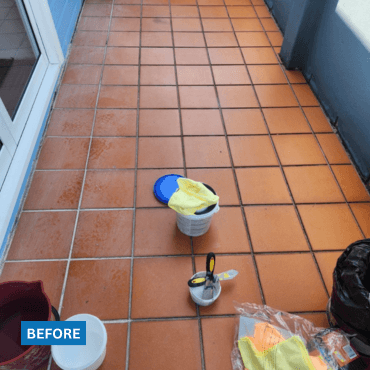

Common Balcony Drainage Mistakes That Cause Leaks
Even a perfectly waterproofed balcony can fail if the drainage system is flawed. Below are the most frequent causes of drainage-related failures in Sydney homes:
Insufficient fall (flat balconies) – causes water ponding and long-term damage.
Blocked or undersized outlets – leads to overflow during heavy rain.
Poor screed installation – traps moisture beneath tiles, weakening adhesion.
Missing secondary (overflow) drains – water finds its way into internal walls.
Incorrect membrane application around drains – one of the most common strata defects.
Slope & Drainage Design Requirements Explained
Proper falls are critical to guiding water away from the building.
Recommended minimum slope: 1:100 for tiled balconies (1mm fall per 100mm).
Membrane slope: should match substrate slope for consistent drainage.
Outlets: must be securely clamped with membrane termination.
Overflow drain: required in all cases where a balcony is enclosed or tiled.
Failing to comply with these standards can lead to structural water damage, efflorescence, and even concrete cancer, which are extremely costly to repair.
Waterproofing and Drainage — A Combined Compliance System
In NSW, waterproofing and drainage are not separate systems — they work together. A well-designed drainage system without a proper membrane (or vice versa) does not meet NCC 2026 compliance.
| Component | Function | Compliance Requirement |
|---|---|---|
| Primary Drain | Collects surface water | Must be sized per AS/NZS 3500 |
| Overflow Outlet | Prevents internal flooding | Must discharge externally |
| Screed & Falls | Guides water toward outlet | 1:100 minimum slope |
| Membrane | Blocks water penetration | AS 4654.2 compliant |
| Flashing | Protects wall junctions | Continuous around all edges |
Strata vs. Homeowner Responsibilities in Balcony Drainage
Balcony drainage often causes disputes in strata buildings. Here’s how responsibility is typically divided under NSW strata law:
Strata Body Corporate: Responsible for waterproofing membranes, balcony structure, and common drainage points.
Lot Owner: Responsible for finishes (tiles, grout, coatings) and maintenance of their surface drains.
If water ingress originates from a design or waterproofing failure, it’s usually a strata issue. However, routine maintenance like cleaning drains remains the owner’s duty.
Signs Your Balcony Drainage System Is Failing
Watch out for these early warning signs that indicate poor drainage or waterproofing:
Standing water after rainfall
White powdery residue (efflorescence) on tiles
Damp walls or ceilings below the balcony
Cracked grout or lifting tiles
Water stains along balcony edges
If any of these appear, it’s time for a professional inspection — early repair can save you thousands in water damage costs.
How Hills Waterproofing Ensures Compliance in 2026
At Hills Waterproofing Sydney, we specialise in balcony drainage and waterproofing systems that meet all 2026 NCC and AS4654.2 requirements.
Our process includes:
✅ Full site inspection and fall measurement
✅ Regrading or screed correction if required
✅ Installation of compliant membranes and drain flanges
✅ Balcony edge sealing and flashing
✅ Leak testing and certification
We use high-quality, UV-resistant membranes and compliant drainage fittings to ensure long-term performance and compliance — protecting your home or strata building for years to come.
📞 Contact our licensed waterproofing experts today for an on-site inspection.
👉 Book a Free Consultation
🧩 Frequently Asked Questions (FAQ)
1. What is the minimum balcony fall requirement in NSW for 2026?
The minimum fall remains 1:100 (1%), meaning 10mm of drop per metre length, directing water away from the building and toward drains.
2. Do I need an overflow drain on my balcony?
Yes. All enclosed or tiled balconies must include a secondary (overflow) outlet to prevent flooding if the main drain blocks — it’s a mandatory compliance feature under AS/NZS 3500.
3. Can waterproofing fix poor balcony drainage?
Waterproofing alone can’t fix poor drainage. Both systems must work together. Without the correct slope and outlets, even a perfect membrane will eventually fail.
4. Who is responsible for balcony drainage in a strata building?
In most NSW strata buildings, the owners corporation is responsible for the waterproofing and drainage structure, while the lot owner handles surface finishes and cleaning.
5. What happens if my balcony doesn’t comply with the 2026 drainage standards?
Non-compliant balconies risk leaks, fines, and rectification orders under the NSW Building Commissioner’s defect resolution program. Non-compliance may also affect insurance claims if water damage occurs.
6. Can you retrofit balcony drainage without full reconstruction?
In many cases, yes. Our team can install new outlets, regrade screeds, and reapply membranes to bring your balcony up to 2026 compliance without full demolition.
📞 Call us at 0410 570 721
📧 Email: info@hillswaterproofing.com.au
