

Bathroom Waterproofing Regulations NSW 2026: AS3740 Rules & Compliance
Why Bathroom Waterproofing Is Strictly Regulated in NSW (2026 Update)
In 2026, bathroom waterproofing regulations in NSW continue to tighten under the latest National Construction Code (NCC 2026) and AS 3740:2021 standards.
The goal? To reduce the high number of building defect claims caused by improper waterproofing — one of the leading sources of structural damage in homes and apartments across Sydney.
Leaks behind tiles or under flooring can go unnoticed for months, leading to mould, timber rot, and costly repairs. That’s why NSW Fair Trading now enforces stricter compliance checks and certification for all bathroom waterproofing projects.
Whether you’re renovating or building new, understanding the 2026 waterproofing requirements ensures your bathroom remains compliant, safe, and leak-free.

AS 3740:2021 and NCC 2026 – What’s New This Year
The AS 3740:2021 standard remains the foundation for waterproofing domestic wet areas. However, under NCC 2026, there are added clarifications on durability, product testing, and drainage integration.
🔍 Key 2026 Compliance Highlights:
- ✅ All waterproofing products must comply with AS 4858:2020 – Wet Area Membranes.
- ✅ Licensed contractors only can perform waterproofing work under NSW Fair Trading.
- ✅ All internal wall junctions, penetrations, and vertical surfaces within wet zones must be sealed.
- ✅ Shower walls must have a minimum waterproofing height of 1800mm.
- ✅ Membrane turn-ups around the perimeter must be at least 150mm.
- ✅ Membrane coverage must extend behind and under wall flanges and fittings.
- ✅ A Waterproofing Certificate is required before any tiling or fit-off.
These updates are designed to ensure waterproofing isn’t just applied — it’s verified, certified, and durable for the building’s lifespan.
Areas That Must Be Waterproofed Under NSW 2026 Standards
Under AS 3740:2021 and NCC 2026, the following bathroom areas are legally required to be waterproofed:
Entire shower floor and walls up to 1.8m high
Bathroom floors made of timber, plywood, or particleboard
Perimeter walls (150mm above the floor)
Splash zones near bathtubs, spas, and vanities
Pipe penetrations, drains, and fixtures
Door thresholds and entry points
💡 Pro tip: Even if your subfloor is concrete, full-floor waterproofing is still recommended — it adds an extra layer of protection against water seepage and helps with insurance compliance.
Waterproofing Certificate & Licensing Requirements
In NSW, waterproofing work valued at $500 or more must be completed by a licensed waterproofing contractor.
Upon completion, the tradesperson must issue a Waterproofing Certificate — an official document proving your project meets AS 3740 and NCC 2026 standards.
Your Certificate Should Include:
Contractor’s name and NSW Fair Trading licence number
Description of waterproofing system and membrane type
Date of installation and project address
Statement of compliance with AS 3740 and AS 4858
Warranty and product details
Tip: Keep your certificate safe — it’s often required for home insurance claims, strata documentation, or council approvals.
Common Non-Compliance Issues Found in 2026
Even with new standards, common mistakes still appear during bathroom inspections:
- 🚫 Gaps or weak coverage at wall junctions and corners
- 🚫 Missing membrane behind tile backer boards
- 🚫 Pipe penetrations not sealed with collars or bond breakers
- 🚫 Poor adhesion between membrane layers
- 🚫 No certification or proof of compliance
Such issues not only lead to water leaks but can also void warranties and insurance coverage.
Step-by-Step: What a Compliant Bathroom Waterproofing Process Looks Like (2026 Edition)
At Hills Waterproofing Sydney, our licensed technicians follow the 2026 waterproofing standards from start to finish.
1️⃣ Surface Preparation
We clean, prime, and repair the substrate to ensure maximum adhesion.
2️⃣ Membrane Application
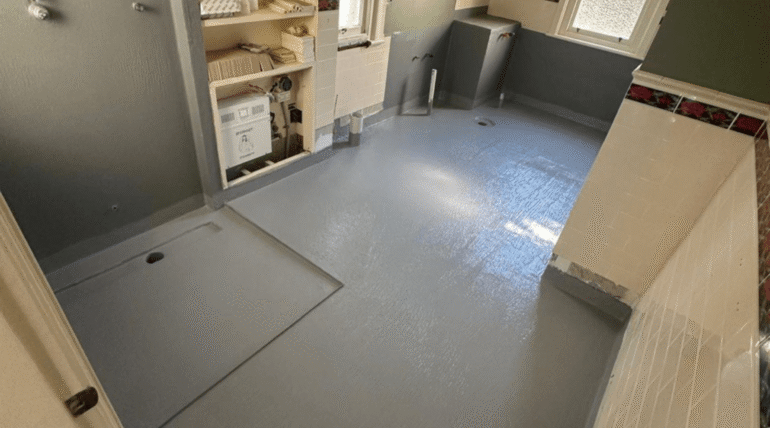
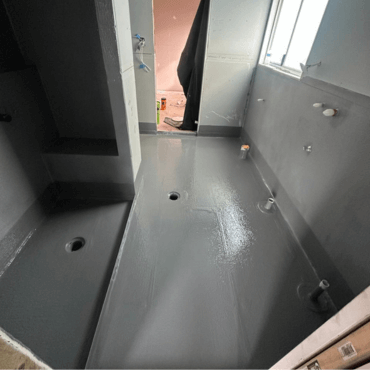
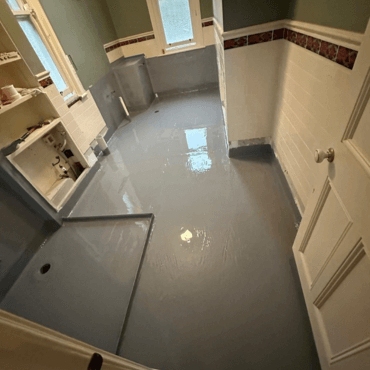
We apply two coats of AS 4858-approved waterproof membrane to all required zones — including walls, floors, and junctions.
3️⃣ Reinforcement
All corners and edges are reinforced using waterproof tape or bond breakers for flexibility.
4️⃣ Curing & Testing
Membranes are allowed to fully cure (24–48 hours) before flood testing to confirm watertightness.
5️⃣ Certification
We issue a Waterproofing Certificate confirming full compliance with AS 3740 and NCC 2026.
Risks of Ignoring Waterproofing Regulations
Failing to comply with the NSW 2026 waterproofing standards can have serious and costly outcomes:
❌ Water Damage: Structural damage, rot, and mould issues within months.
❌ Insurance Rejection: Claims may be denied if no valid certificate is provided.
❌ Legal Penalties: Builders or homeowners can face rectification orders under NSW Fair Trading.
❌ Reduced Property Value: Non-compliant work is flagged in building inspections.
Waterproofing mistakes are not cosmetic — they’re compliance failures that can cost tens of thousands to repair later.
Why Professional Waterproofing Matters in 2026?
With NCC 2026 placing higher scrutiny on workmanship and documentation, DIY or uncertified waterproofing is no longer an option.
At Hills Waterproofing Sydney, we’re fully licensed and specialise in compliant bathroom waterproofing systems that meet the latest standards.
We use premium membranes, high-bond primers, and industry-approved sealants to ensure long-term protection and peace of mind.
📞 Book a free inspection or quote today — and protect your home with certified waterproofing that meets NSW 2026 compliance.
👉 Get a Free Quote
🧩 Frequently Asked Questions (FAQ)
1. Do I still need a waterproofing certificate in 2026?
Yes — the requirement hasn’t changed. A waterproofing certificate is mandatory for any bathroom waterproofing work in NSW. It confirms compliance and ensures your renovation meets insurance and inspection requirements.
2. What’s the waterproofing height for showers under NCC 2026?
Shower walls must be waterproofed to a minimum height of 1800mm, and perimeter upturns must be 150mm above the finished floor level.
3. Can I waterproof my bathroom myself?
No. Under NSW Fair Trading, only licensed waterproofers can perform waterproofing on any project over $500. DIY waterproofing is not legally recognised and can void warranties.
4. What happens if my bathroom waterproofing fails?
You may experience water leaks, wall damage, and mould, and your insurance may refuse coverage if no certificate exists. Always hire a licensed waterproofing specialist for compliance.
5. How long does compliant bathroom waterproofing last?
When done correctly with AS 4858-certified membranes, bathroom waterproofing can last 15–20 years or more with proper maintenance.
6. What’s the average cost of compliant bathroom waterproofing in Sydney (2026)?
Expect to pay between $700 and $1,300, depending on size, materials, and existing substrate condition. The cost includes professional application, materials, and certification.
📞 Call us at 0410 570 721
📧 Email: info@hillswaterproofing.com.au

