


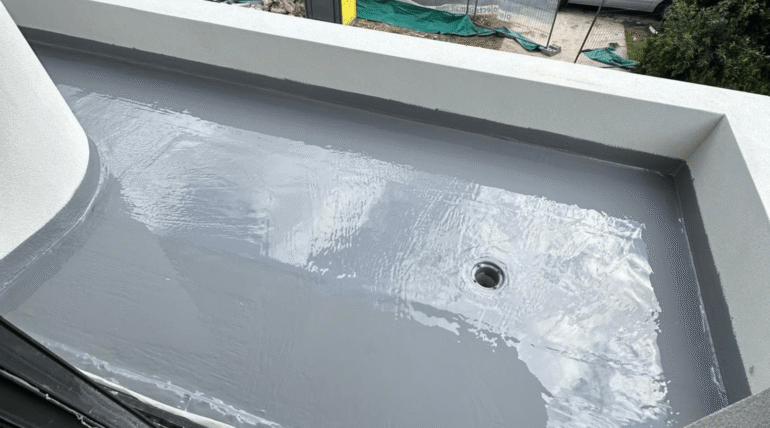
Balcony Drainage Regulations in NSW: What Homeowners & Strata Managers Must Know
Balcony drainage is more than a design detail — it’s a legal requirement that ensures safety, structural integrity, and compliance with NSW building standards. Poor drainage is one of the leading causes of leaks and water damage in Sydney apartments and strata buildings.
In this guide, Hills Waterproofing Sydney explains the key balcony drainage regulations in NSW, including strata responsibilities, waterproofing compliance, and common drainage design mistakes that can lead to expensive remedial repairs.
Why Balcony Drainage Matters
When rainwater isn’t drained correctly, it accumulates on the balcony surface, seeps through grout and membranes, and causes:
Structural damage to slabs and beams.
Mould growth and efflorescence.
Water staining on walls and ceilings.
Disputes between strata owners over liability.
That’s why the National Construction Code (NCC) and Australian Standard AS 4654.2 clearly define how balcony drainage must be designed, installed, and maintained in NSW.

Key Balcony Drainage Regulations in NSW (2025 Update)
1️⃣ Compliance with AS 4654.2 – External Above-Ground Waterproofing
Under AS 4654.2, all balconies and external areas must include a functional drainage system that allows water to escape quickly and prevents pooling.
Requirements include:
A minimum fall of 1:100 to direct water toward the drain.
Primary drains and overflow outlets to prevent water backup.
The waterproof membrane must be continuous beneath and around the drain flange.
Drains must be accessible for cleaning and inspection.
💡 Tip: If your balcony collects water near sliding doors, it likely doesn’t meet the 1:100 slope requirement and needs corrective waterproofing.
2️⃣ Step-Down and Threshold Requirements
Balconies must include a step-down or rebated threshold to stop water from entering internal areas.
According to the Building Code of Australia (BCA):
The balcony floor must be at least 50 mm lower than the adjacent internal floor.
Waterproof membranes should extend 25 mm above finished floor height at door sills.
Water stops and flashing must be installed under sliding doors.
👉 These details are crucial for compliance and are inspected during building certification.
3️⃣ Drain Location & Design
Drain outlets should be positioned at the lowest point of the balcony, typically near the external edge or corner.
They must:
Connect to a stormwater system — not just discharge over the edge.
Be fitted with a waterproof flange compatible with the membrane type.
Include secondary (overflow) drains for balconies over habitable rooms.
Common issue: Many older Sydney strata buildings rely on simple scupper drains or edge weep holes, which no longer meet modern drainage performance standards.
4️⃣ Strata Responsibilities for Balcony Drainage
In NSW strata schemes, drainage responsibilities depend on whether the balcony is common property or part of a lot.
According to NSW Fair Trading and the Strata Schemes Management Act 2015:
Balcony membranes, drains, and external walls are typically common property, maintained by the Owners Corporation.
The lot owner must maintain internal finishes, tiles, and fixtures.
If a drainage failure affects another unit, the strata body is responsible for remediation.
✅ Pro Tip: Always report water pooling, leaks, or blocked balcony drains to your strata manager immediately — delaying maintenance can void insurance coverage.
5️⃣ Waterproofing & Drainage Integration
Drainage and waterproofing work hand in hand. Even if a balcony has adequate slope, improper membrane detailing can still cause leaks.
Professional installers ensure:
The membrane overlaps drain flanges.
Bond breakers are used around corners.
Drainage outlets are sealed with compatible waterproofing systems (per AS 4654.2).
Common Balcony Drainage Problems in Sydney
| Problem | Cause | Result |
|---|---|---|
| Ponding water | Insufficient slope | Structural weakening, mould |
| Blocked drains | Poor maintenance | Overflow, leaks to lower units |
| Missing overflow outlets | Design non-compliance | Flooding during storms |
| Cracked membranes | Unsealed drain penetrations | Water seepage under tiles |
💧 Solution: Regular inspection and professional waterproofing maintenance prevent these issues and ensure compliance.
Balcony Drainage & Waterproofing Cost in Sydney
| Service | Average Cost (AUD) | Notes |
|---|---|---|
| Balcony drain installation | $300 – $800 per outlet | Depends on access & design |
| Balcony re-waterproofing | $1,000 – $2,500 | Includes membrane & sealing |
| Drain & membrane inspection | $150 – $300 | Recommended annually for strata |
📈 Investing in compliant drainage and waterproofing saves thousands in future repair bills and strata disputes.
Why Choose Hills Waterproofing Sydney
✅ Licensed & insured waterproofing specialists (NSW Fair Trading Certified)
✅ Expertise in strata balcony drainage repairs and AS 4654 waterproofing
✅ Full compliance certification for building inspectors and strata managers
✅ Service coverage across Sydney, Hills District, and North Shore
✅ Free inspections and detailed reporting
We help strata managers, builders, and homeowners stay compliant with the latest balcony drainage regulations in NSW.
FAQs
1. Are balcony drains mandatory in NSW?
Yes. Every balcony must have a compliant drainage system under AS 4654.2 and the BCA.
2. Who pays for drainage repairs in a strata building?
Typically, the Owners Corporation covers repairs to balcony membranes and drains unless damage is caused by a lot owner.
3. What slope is required for balcony drainage?
The NCC requires a minimum 1:100 fall toward the drainage point.
4. Can I add an extra drain to my balcony?
Yes, but it must connect to the approved stormwater line and be installed by a licensed plumber and waterproofer.
5. How often should balcony drains be inspected?
At least once a year, especially before Sydney’s storm season.
Conclusion
Understanding the balcony drainage regulations in NSW helps you stay compliant, prevent leaks, and protect your property investment. For strata managers and homeowners alike, ensuring proper slope, membrane detailing, and drainage maintenance is vital for long-term performance.
👉 Contact Hills Waterproofing Sydney today for professional balcony inspections, leak repairs, and fully certified waterproofing solutions that comply with NSW standards.
📞 Call us at 0410 570 721
📧 Email: info@hillswaterproofing.com.au

